
Healthier Food
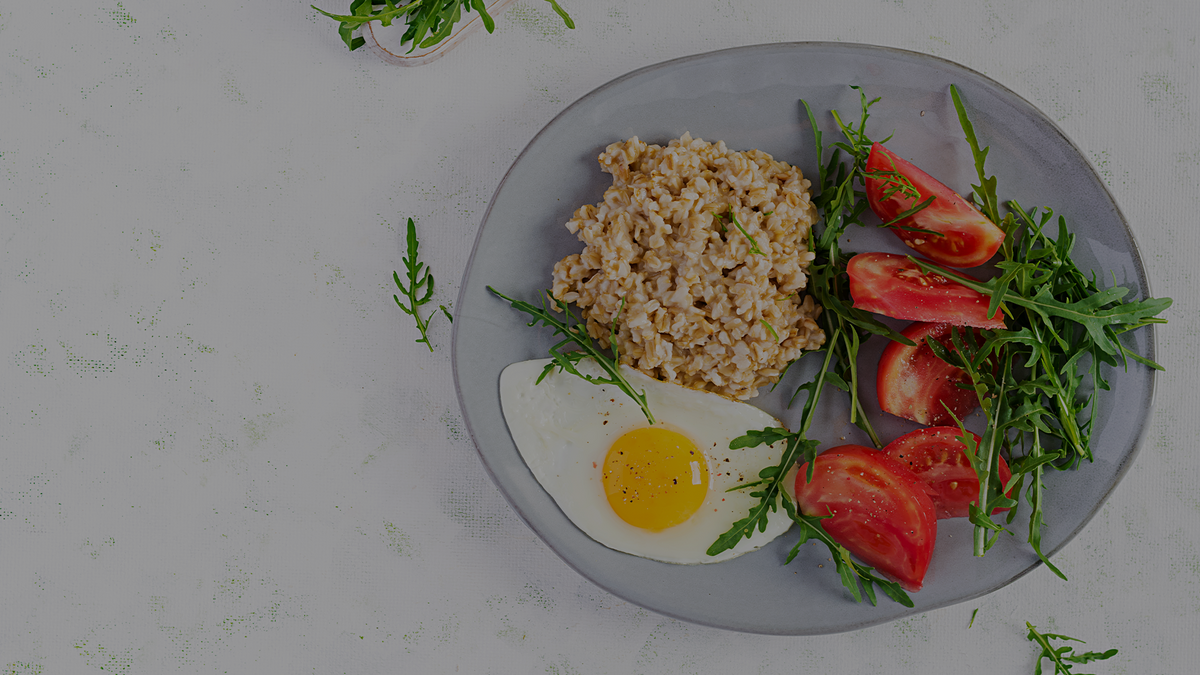


Explore healthier food made to suit your lifestyle.
-

All Healthier Food
Eating well is a cornerstone of good health, especially for seniors, individuals...
-

Blood Sugar Care
Carefully formulated meals, drinks, and snacks with low sugar and a low...
-

Digestive Care
Easy-to-digest formulas and foods containing fiber or probiotics to support a healthy...
-

Heart Health
Nutritional options low in sodium and saturated fat to support cardiovascular wellness....
-
Strength & Recovery
Power your body with extra protein to rebuild muscle, support strength, and...


Our Featured Products
-
COPPENRATH Sugarfree Biscuits Hazelnut
Regular price From $5.90 SGDRegular priceUnit price per -
CERES ORG Psyllium Husks
Regular price From $11.45 SGDRegular priceUnit price per -
CERES ORG LSC (Linseed, Sunflower, Chia) with Probiotic
Regular price From $9.70 SGDRegular priceUnit price per -
CERES ORG Brown Rice Crackers with Chia
Regular price From $4.20 SGDRegular priceUnit price per


FAQs
What is healthier food?
Our healthier food products are specially selected to be lower in sugar or sodium,
or higher in protein, following the Health Promotion Board (HPB)’s recommended guidelines for nutrient levels in food. Many of our products also carry a Nutri-Grade rating of A or B, making them better choices for supporting a balanced
and healthier diet.
What does “low sodium” mean?
“Low sodium” means that the food contains less salt than regular versions. According to Health Promotion Board (HPB), foods labelled as “low in sodium” must contain no more than 120mg of sodium per 100g (or 100mL) of the product. HPB also recommends that adults limit sodium intake to less than 2,000mg per day - about one teaspoon (5g) of salt. Low sodium foods are made with reduced salt or salt alternatives to support a healthier diet without losing flavour.
What are the benefits of a low-sodium diet?
A low-sodium diet can help:
· Lower blood pressure and reduce strain on your heart
· Decrease risk of heart disease and stroke
· Prevent water retention and bloating
· Support kidney health
Who needs a low-sodium diet?
A low-sodium diet is especially helpful for people with high blood pressure, heart
disease, or kidney problems, or for anyone watching their salt intake for general health. Reducing sodium is a simple way to take care of your heart and overall well-being.
What does “low sugar” mean?
“Low sugar” means that the food contains less added sugar than regular products. It may be naturally sweetened or made with alternative ingredients to help you enjoy flavour without excess sugar. According to HPB’s nutrient claim standards, a product labelled “low in sugar” contains no more than 5g of sugar per 100g (solid) or 2.5g per 100mL (liquid). HPB recommends that total daily sugar intake for an individual should not exceed 10% of his/her daily energy — ideally below 50g (about 10 teaspoons), and preferably under 25g (about 5 teaspoons) for better health.
What are the benefits of a low-sugar diet?
A low-sugar diet can help:
· Stabilise blood sugar levels
· Reduce the risk of diabetes and heart disease
· Support healthy weight management
· Improve energy and mood throughout the day
Who needs a low-sugar diet?
A low-sugar diet is especially beneficial for people with diabetes, prediabetes, or those managing their weight. It’s also ideal for anyone who wants to avoid energy crashes and support long-term health.
What does “high protein” mean?
A product labelled “high in protein” contains at least 12g of protein per 100g for solids, or 6g per 100mL for liquids, according to HPB nutrient claim standards. Protein is an essential nutrient that helps build and repair tissues, support immune function, and maintain muscle mass.
What are the benefits of a high-protein diet?
Eating enough protein can help to:
· Build and repair muscles and tissues
· Support healthy immune function
· Maintain strength and mobility in elderly
· Promote satiety, helping to manage appetite and weight
Who needs a high-protein diet?
A high-protein diet is beneficial for:
· Active adults or athletes needing extra protein for muscle repair and recovery
· Older adults to help maintain muscle strength and prevent frailty
· Individuals recovering from illness or surgery
· Anyone aiming to support healthy weight management
Most adults need about 0.8g - 1.0g of protein per kg of body weight per day, as recommended by HPB, though needs may vary based on age, activity level, and health condition.
What is digestive care?
Digestive care refers to maintaining a healthy digestive system, which helps your body break down food, absorb nutrients, and eliminate waste efficiently. Good digestive care includes ating fibre-rich foods, staying hydrated, and supporting a healthy balance of gut bacteria.
A healthy digestive system supports your overall well-being - from nutrient absorption and immunity to energy levels and mood. Poor digestion can lead to bloating, constipation, or discomfort, so caring for your gut helps you feel lighter and healthier.
What are the benefits of good digestive health?
Maintaining good digestion can help:
· Reduce bloating and discomfort
· Support regular bowel movements
· Boost nutrient absorption
· Enhance immune health
· Improve energy and overall well-being
Who needs digestive care products?
Digestive care products are suitable for anyone who experiences bloating, irregular bowel movements, or discomfort after meals, as well as those looking to maintain gut balance. They can also benefit people taking antibiotics or with diets low in fibre.
Tips on a healthier you.
-

The Nutritional Importance of Eating Well After...
Recovering from a hospital stay is a crucial time for your body. Whether you’ve had surgery, an illness, or a long period of bed rest, your body needs the right...
The Nutritional Importance of Eating Well After...
Recovering from a hospital stay is a crucial time for your body. Whether you’ve had surgery, an illness, or a long period of bed rest, your body needs the right...
-

How to Lower Blood Sugar Naturally with Healthy...
Keeping your blood sugar stable isn’t just important for people with diabetes — it’s key to maintaining steady energy, focus, and overall health. While skipping snacks might seem like a...
How to Lower Blood Sugar Naturally with Healthy...
Keeping your blood sugar stable isn’t just important for people with diabetes — it’s key to maintaining steady energy, focus, and overall health. While skipping snacks might seem like a...

