
Caregiver Hire

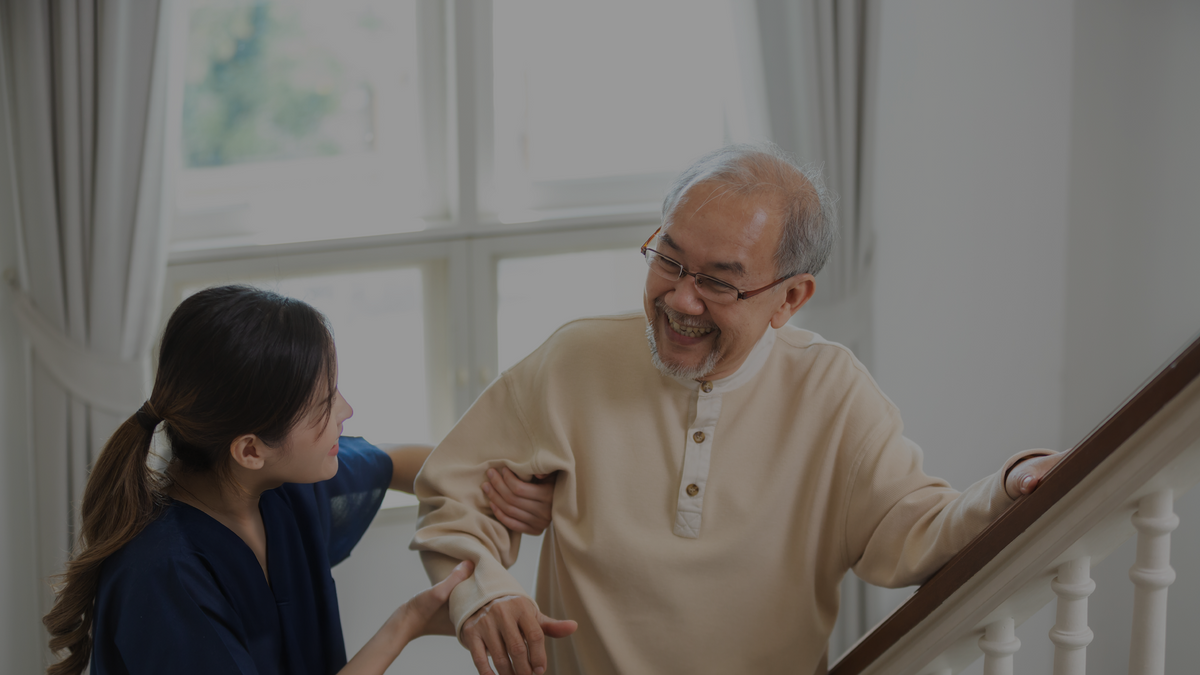
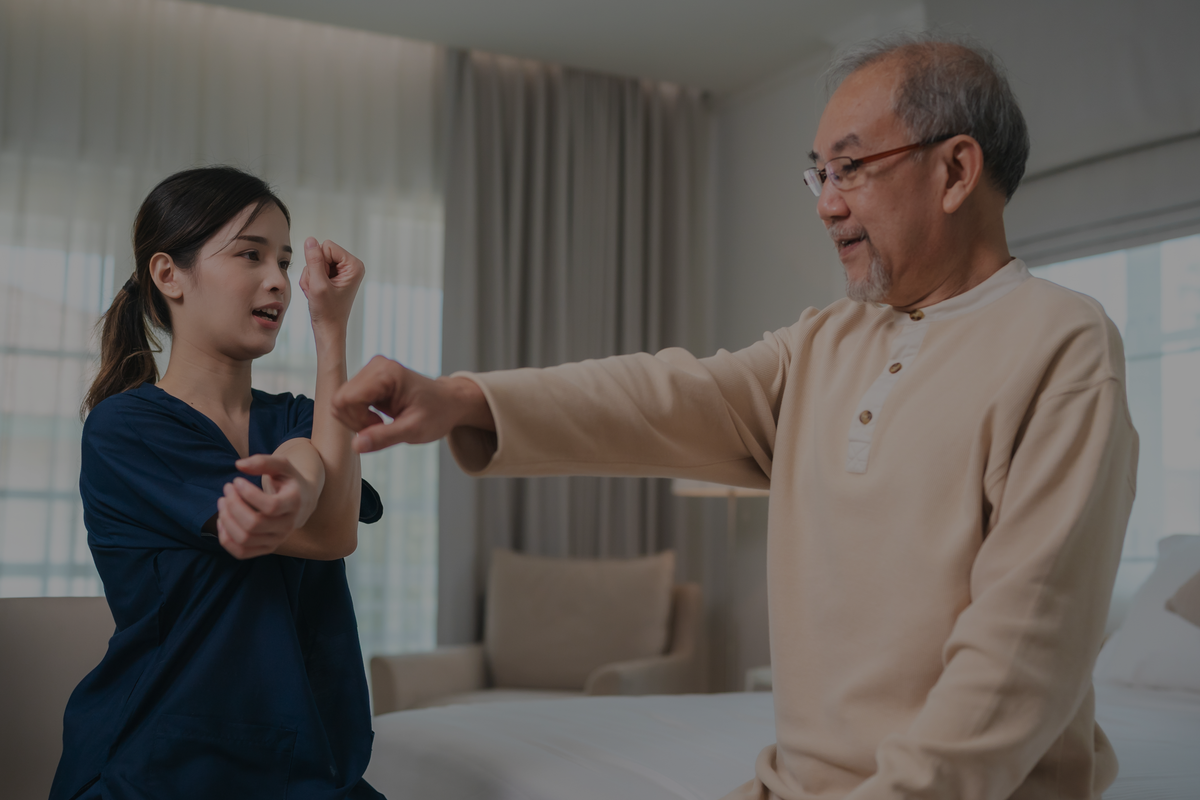
Meet our caregivers
Whether you’re seeking competent caregiver or daily support, we make finding the right candidate simple and stress-free.
Specialised services for your loved ones
Our caregivers are proficient to assist the care recipient with daily living activities on

Meals Feeding

Showering

Toileting

Transferring

Dressing

Serving Medication
Meals Feeding
Showering
Toileting
Transferring
Dressing
Serving Medication
Upon customer’s request, we can also equip their caregiver with more complex nursing skills.

Wound Care

Urinary Catheter Care

Insulin Injection

Oxygen Therapy

Tube Feeding

Blood Glucose Monitoring

Support Rehabilitation
Wound Care
Urinary Catheter Care
Insulin Injection
Oxygen Therapy
Tube Feeding
Blood Glucose Monitoring
Support Rehabilitation
Our hiring process
At Care@Home we esure all caregivers are carefully vetted by our processional team before any referrals.

1 - 2 days
Consultation
Gather needs of care recipient to shortlist suitable caregivers
1st time employers will need to attend the Employers Orientation Programme (EOP)

Up to 1 week
Selection
- Video interview of shortlisted caregivers
- Selection and confirmation of caregiver

Up to 3 weeks
Processing
- Work permit application
- Embassy processing
- Purchase of insurance
- Pre-employment medical check
- Settling in program for caregiver coming to Singapore for the first time
- Issuance of work permit
- Work permit card registration
Meet our caregivers

ANASTASIA
Summary: Anastasia, is a Bachelor of Midwifery graduate with two years of hands-on homecare experience. She has cared for patients with diverse conditions such as diabetes, heart disease, kidney failure (including hemodialysis), stroke, dementia, hypertension, and post–Total Hip Replacement recovery. With her medical background and compassionate approach, Anastasia provides attentive, reliable, and holistic care that supports both the physical and emotional well-being of her patients.

MARIYANI
Summary: Mariyani has over 3 years and 8 months of experience working in Singapore as a caregiver. She is highly skilled in caring for an 83-year-old bedridden elderly, providing dedicated daily support and intensive assistance. Alongside caregiving, she is fully capable of managing all general household duties including cooking, laundry, ironing, and grocery shopping. She is also experienced in car washing and light gardening. Mariyani is known for being hardworking, honest, obedient, polite, and responsible, with a positive attitude and a strong willingness to learn and adapt to new tasks.

HADIANA BT MUHAMMAD AMIN
Summary: This is an ex-Taiwan and ex-Saudi candidate. She has 3yrs of eldercare experience looking after bedridden patient, and also another 2yrs of infant care experience looking after a special needs child. She can converse in Mandarin & English.
FAQs
What is the difference between a caregiver and a domestic helper?
Domestic helpers/maids typically receive training only to perform household tasks, while caregivers undergo proper training in caregiving or healthcare course in order to handle caregiving responsibility proficiently.
There are also domestic helpers/maids who may acquire eldercare-related experience from their previous employment stint, and their know-how is informal knowledge gained in the course of work.
Do caregivers also do housework?
Managing household tasks can be part of what caregivers do, but the extent to which a caregiver can juggle caregiving and household work is subject to the condition of the care recipient. The more dependent the care recipient is on the caregiver for ADL (activities of daily living), it is advisable for the caregiver to focus on caring and the well being for the person. This may even mean hiring another domestic helper/maid to take care of the household work.
What is a caregiver not allowed to do?
Unless a registered nurse is hired to be a caregiver, if not, caregivers are generally not allowed to perform medical procedures such as administering injections and inserting catheters. However administering insulin injection, using an injection pen, is allowed if the caregiver is duly trained to do so.